Summary
A Vampire Facial, also known as PRP (Platelet-Rich Plasma) skin rejuvenation, is a non-surgical treatment that uses your own blood to refresh and improve skin tone, texture, and radiance. Safe, natural, and minimally invasive, it stimulates collagen, reduces fine lines, and supports healthier, smoother-looking skin. This blog explains how the treatment works, who it suits, what to expect, and answers common questions we get at our Chichester clinic.
You may have heard the term “Vampire Facial” floating around in the beauty and aesthetics world. Despite the spooky name (and it being Halloween), there’s nothing scary about it!
In fact, it’s a clever facial aesthetic treatment that uses the natural healing powers of your own blood to refresh and rejuvenate your skin. The medical name for this treatment is PRP (Platelet-Rich Plasma) therapy, and it’s becoming increasingly popular as a non-surgical way to improve skin tone, texture, and radiance.
How Does PRP Skin Rejuvenation Work?
PRP stands for Platelet-Rich Plasma. Platelets are tiny components in your blood that help with healing and repair. In a PRP treatment:
- A small amount of your blood is taken, just like in a routine blood test (no fangs required).
- The blood is placed in a centrifuge, which spins it at high speed to separate out the plasma rich in platelets.
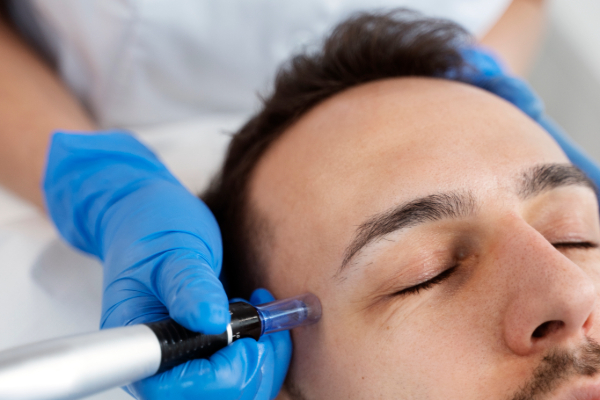
- This concentrated plasma is then gently injected or micro-needled back into the skin, where it gets to work stimulating collagen, encouraging cell renewal, and boosting overall skin health.
Because it comes from your own body, PRP skin rejuvenation is completely natural — there are no added chemicals or synthetic substances.
What Are the Benefits of a Vampire Facial?
PRP skin rejuvenation is loved for its versatility. It can help to:
- Improve skin texture and tone
- Soften fine lines and early wrinkles
- Minimise the appearance of acne scars or uneven skin
- Restore a healthy, natural glow
- Support long-term collagen production
The results are gradual, with your skin often looking fresher and more radiant in the weeks following treatment.
What to Expect During Vampire Facial Treatment
A PRP facial is straightforward and usually well tolerated:
- Consultation: We will discuss your skin goals and explain the process.
- Blood Draw: A small sample of blood is taken, similar to a routine test.
- Preparation: The plasma is prepared while your skin is cleansed and prepped.
- Application: The PRP is either injected into targeted areas or applied with microneedling to allow deeper absorption.
- Aftercare: You may notice some redness or sensitivity for a day or two, but most people return to normal activities very quickly.
Who Might Benefit from PRP Skin Rejuvenation?
PRP facials can be suitable for a wide range of people, particularly if you’re noticing:
- Early signs of ageing
- Dull or tired-looking skin
- Uneven skin tone or mild scarring
- A desire for non-surgical procedure and natural results without dermal fillers.
As always, your suitability will be assessed during a consultation to make sure you receive the treatment right for you.
Despite the dramatic nickname, the Vampire Facial (PRP skin rejuvenation) is all about natural healing and subtle, gradual results. By using your body’s own plasma, this treatment encourages healthier, smoother, and more radiant skin over time!
Frequently Asked Questions about Vampire Facials
Does a vampire facial hurt?
The treatment may feel slightly uncomfortable, but numbing cream is often applied to make it more comfortable.
How long until I see results from PRP?
Most people notice an improvement in their skin within a few weeks, with continued results over the following months as collagen develops.
How many treatments will I need?
A series of sessions (often 2–3) is usually recommended for best results, followed by occasional maintenance treatments.
Is the procedure safe?
Yes — because PRP uses your own blood, the risk of allergic reactions or complications is minimal.
How is PRP different from other facial aesthetic treatments?
Unlike fillers or Botox, PRP doesn’t add anything artificial to the skin. Instead, it harnesses your body’s own healing powers for natural, subtle rejuvenation.
Despite the dramatic nickname, the Vampire Facial (PRP skin rejuvenation) is all about natural healing and subtle, gradual results. By using your body’s own plasma, this treatment encourages healthier, smoother, and more radiant skin over time.
Vampire Facials in Chichester
Curious about PRP skin rejuvenation? Call Family Dental Clinic on 01243 771171 to book a consultation and discover how our facial aesthetic treatments in Chichester can transform your skin.