
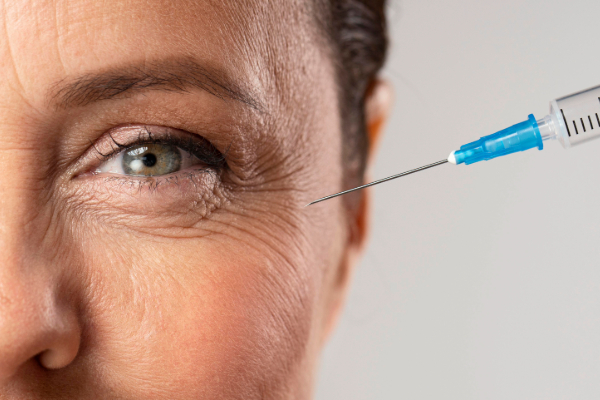
When carried out correctly, dermal fillers can deliver subtle, beautiful results that enhance, not overpower your natural features. Choosing an experienced, fully accredited provider such as Family Dental Clinic in Chichester, gives you the reassurance that your dermal fillers treatment is based on knowledge, safety and long-term results, not quick fixes.
Key Takeaways
- Dermal filler migration is usually linked to technique, product choice and anatomy — not the filler itself.
- Choosing a qualified, medically trained professional significantly reduces the risk and ensures subtle, balanced results.
- Migration can often be safely corrected, but expert assessment and a conservative approach are essential.
Dermal fillers can be a quick, easy and less invasive way to restore volume, soften lines and enhance natural features. When carried out correctly, results should be subtle, balanced and long-lasting. However, one topic that often causes concern is filler migration.
Understanding why migration can occur, and how experienced medical professionals prevent and manage it, can help you make informed and confident decisions about your treatment.
What is dermal filler migration?
Dermal filler migration occurs when filler shifts from its original placement to surrounding areas. This can happen gradually, sometimes months or even years after treatment. Common areas where this may be noticed include under the eyes, around the mouth, or above the lips.
Importantly, migration doesn’t always mean something has gone “wrong” — but it does indicate that technique, anatomy and product choice matter greatly.
Why does filler migration happen?
There are several reasons migration can occur, and most relate to how and where the filler was placed:
Too much produce
Overfilling an area puts pressure on the surrounding tissue, increasing the chance of movement over time.
Incorrect placement depth
Fillers need to be placed at very specific depths depending on the area. Injecting too superficially or too deeply can allow filler to drift.
Poor understanding of facial anatomy
The face has natural planes, muscles and movement patterns. Without a detailed understanding of these structures, filler can end up where it doesn’t belong.
Repeated treatments without assessment
Layering filler over existing product without reviewing what’s already there can increase the risk of migration.
Why choosing a qualified professional matters
While fillers might be non-surgical facial aesthetic treatment, they are a medical procedure. Choosing a qualified, regulated clinic significantly reduces risks — including migration.
At our clinic, treatments are carried out by a fully qualified dental professional with advanced training in facial aesthetics and facial anatomy, including cadaver-based anatomy courses. With nearly thirty years of hands-on experience across dentistry and aesthetics, every decision is guided by precision, safety and restraint.
Being a prescriber also means we can select the most appropriate product or medication for your individual needs, rather than relying on a one-size-fits-all approach.
How experienced clinics prevent migration
Prevention starts long before the injection itself. A professional dermal fillers treatment should always include:
- A detailed facial assessment
- Conservative product selection
- Precise placement based on anatomy, not trends
- Clear discussion about realistic outcomes
Treatments are performed in a fully clinical environment with medical-grade products, appropriate anaesthetic options and experienced support staff on hand. Full emergency preparedness isn’t a “nice to have” — it’s essential.
Got questions? Read our Dermal Fillers 101 Guide.
We are fully insured with Hamilton Fraser and the Cosmetic Redress Scheme, and are proud members of the International Academy of Advanced Facial Aesthetics (IAAFA), ensuring accountability and ongoing professional standards.
What if migration has already occurred?
The reassuring news is that filler migration can often be corrected safely. Depending on the product used and the area affected, options may include:
- Carefully dissolving migrated filler
- Allowing time for natural breakdown
- Rebalancing with subtle corrective treatment
An experienced practitioner will always prioritise restoring harmony rather than simply adding more filler.
This is where a calm, clinical approach matters. Rushing to “fix” migration without proper assessment can make things worse — which is why professional expertise is so important.
A gentle word on unqualified providers
We believe in education, not fear. However, it’s important to understand that treatments carried out by unqualified or non-medical providers may increase the risk of complications, including migration, asymmetry and long-term tissue issues.
Facial aesthetics requires far more than learning where to inject. It requires medical training, anatomical knowledge, prescribing ability, and the confidence to say no when a treatment isn’t appropriate.
Dermal Filler Treatment in Chichester
If you have concerns about previous treatment or would like expert advice before deciding on dermal filler, a professional consultation is always the best first step.
Call our Chichester facial aesthetic clinic on 01243 771171 to book today.